
Understanding Debt-To-Income (DTI):
Your Loan Readiness Score
Your Debt-To-Income Ratio helps lenders understand how your income compares to your monthly obligations. The good news? We’ll help you understand exactly where you stand and what options are available.
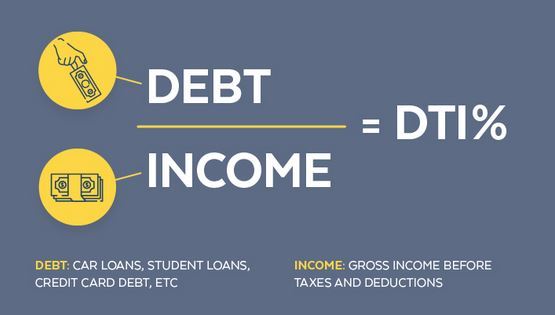
Before applying for a home loan, lenders look at more than just your credit score. They also review your income and monthly debts to calculate your Debt-To-Income ratio (DTI). This number helps determine how much home you may qualify for and what payment fits comfortably within your budget. Understanding your DTI ahead of time can make the loan process smoother and more predictable. Use the calculator below to see where you stand and take the first step toward becoming loan ready.
What Determines Your Debt-To-Income Ratio?
Your Debt-To-Income Ratio (DTI) is calculated by dividing your total monthly debt payments by your gross monthly income. While the formula is simple, DTI plays an important role in the loan approval process because it helps lenders evaluate how manageable a new mortgage payment will be alongside your existing financial obligations.
Generally, a lower DTI indicates stronger financial flexibility and a higher likelihood of comfortably managing monthly payments. A higher DTI may limit loan options, but it does not automatically prevent you from qualifying. Understanding your numbers is the first step toward identifying the right path forward.
To calculate your DTI accurately, it helps to understand the financial components included in the calculation.
Annual Income
Annual income is the total income you receive before taxes. This may include salary, hourly wages, commissions, bonuses, rental income, or other qualifying sources. Alimony or child support may also be included when applicable.
For self-employed borrowers, qualifying income is typically based on net income after deductions shown on Schedule C or business tax returns.
Auto Payments
Include the monthly payments for all financed vehicles, including cars, trucks, boats, or recreational vehicles.
Credit Card Payments
Only the required minimum monthly payment is counted toward your debt. Even if you pay more each month, lenders use the minimum required payment for DTI calculations. If balances are paid in full monthly and no payment obligation exists, they may not need to be included.
Mortgage or Rent Payments
Any existing housing payments that will remain after purchasing a new property must be included. This includes mortgage payments along with property taxes, insurance, and association dues when applicable.
Other Loan Obligations
Include any additional required monthly payments such as student loans, personal loans, alimony, child support, or other installment debts.
Understanding your Debt-To-Income Ratio helps you see what lenders see—and more importantly, helps you understand what home payment fits comfortably within your budget. The LenditHome team will work with you to review your numbers, explain your options, and help you take the next step toward becoming loan ready.
Have questions? Give us a call. One of our mortgage specialists would be happy to help.